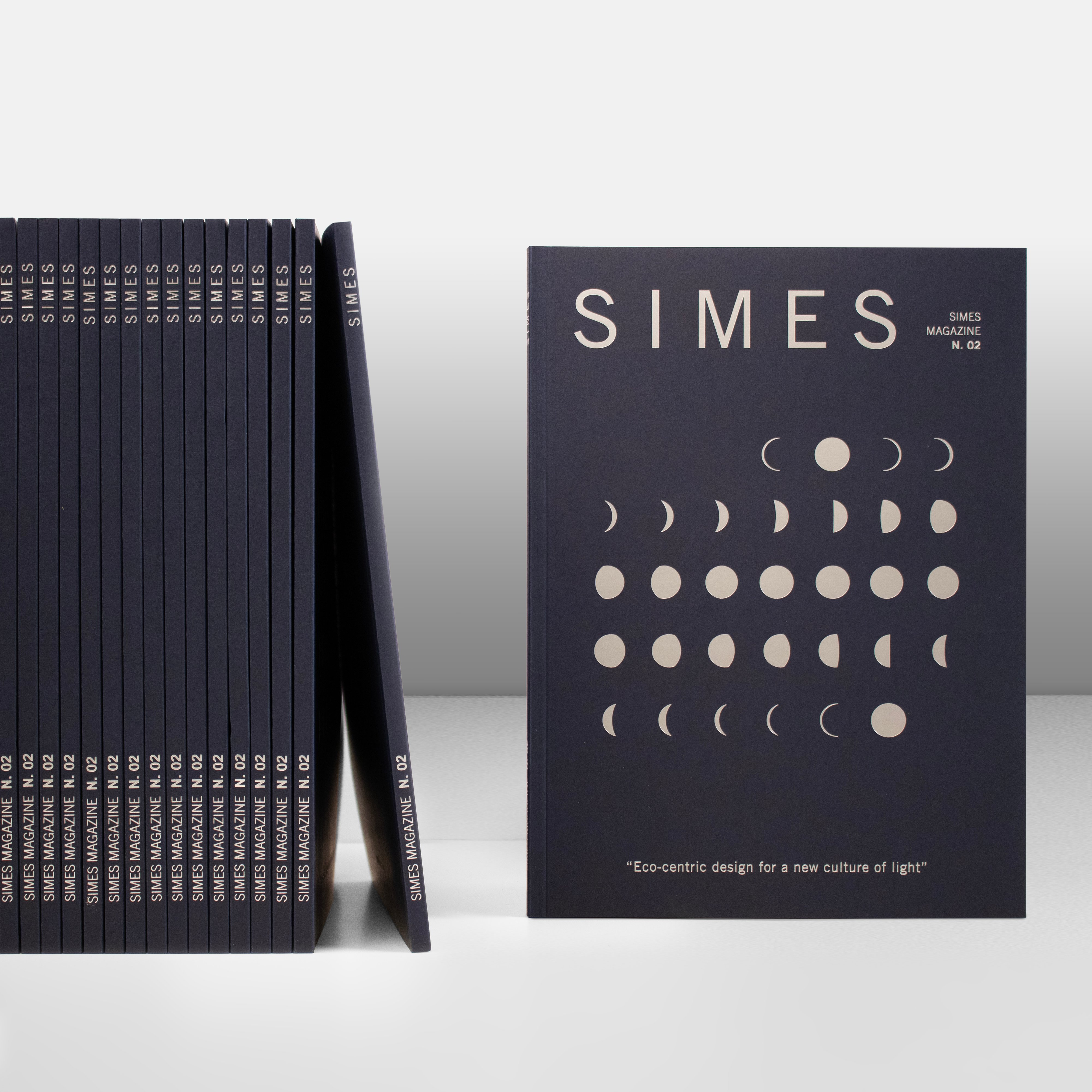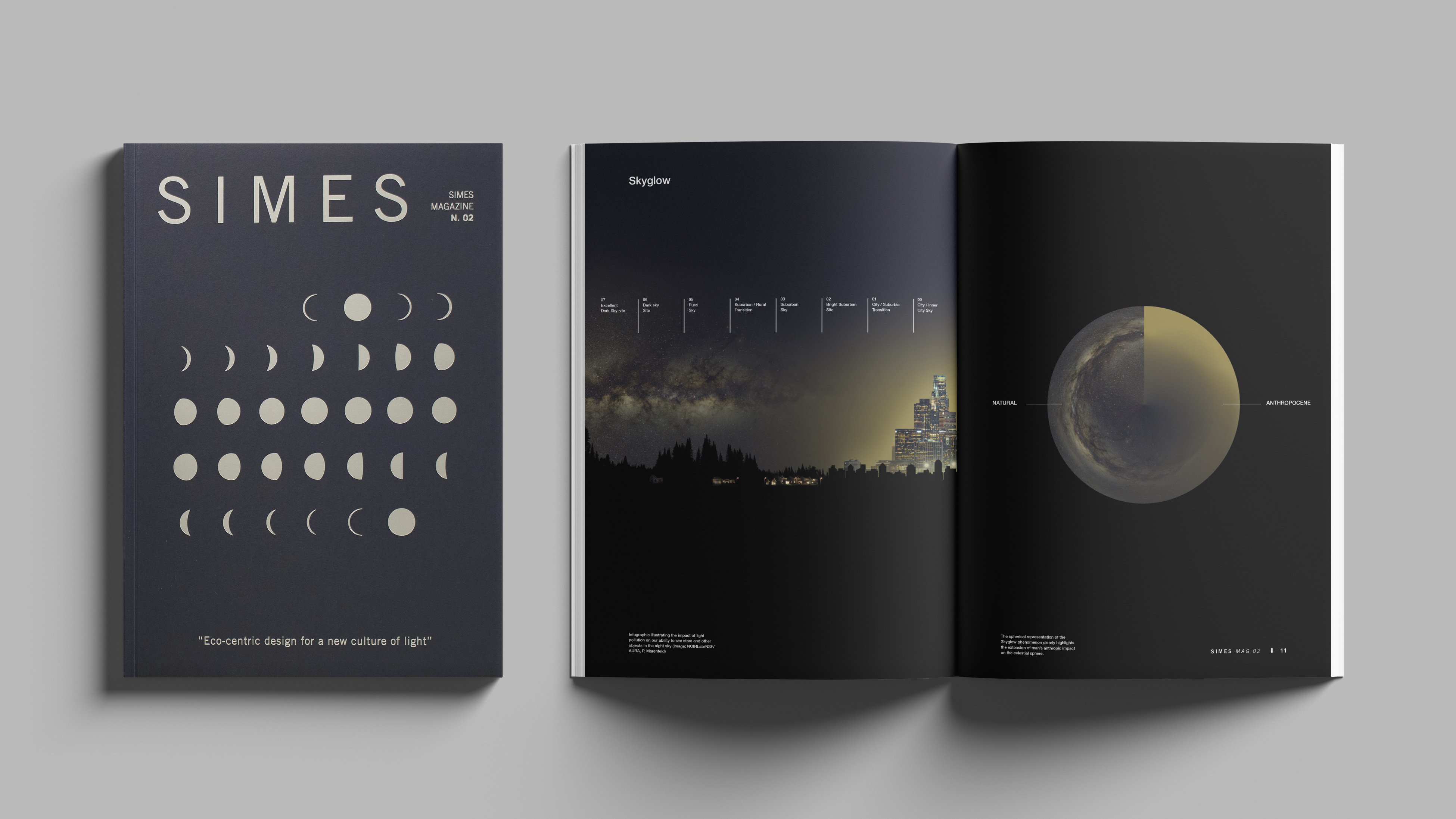
SIMES MAGAZINE N.02

Eco-centric design for a new culture of light


selezione_03_MAG2

The second issue of Simes Magazine is dedicated to eco-centric lighting and aims to promote, through the testimony of professionals, a culture where light not only serves specific functions but also plays an important social role.


Lighting control, flexibility, comfort and sustainability are the key themes around which Simes foresees the lighting of the future.
Digitalisation, combined to an ever-incresing care for the environment, is bringing a much-needed awareness and a shift from a human-centric to an eco-centric approach.
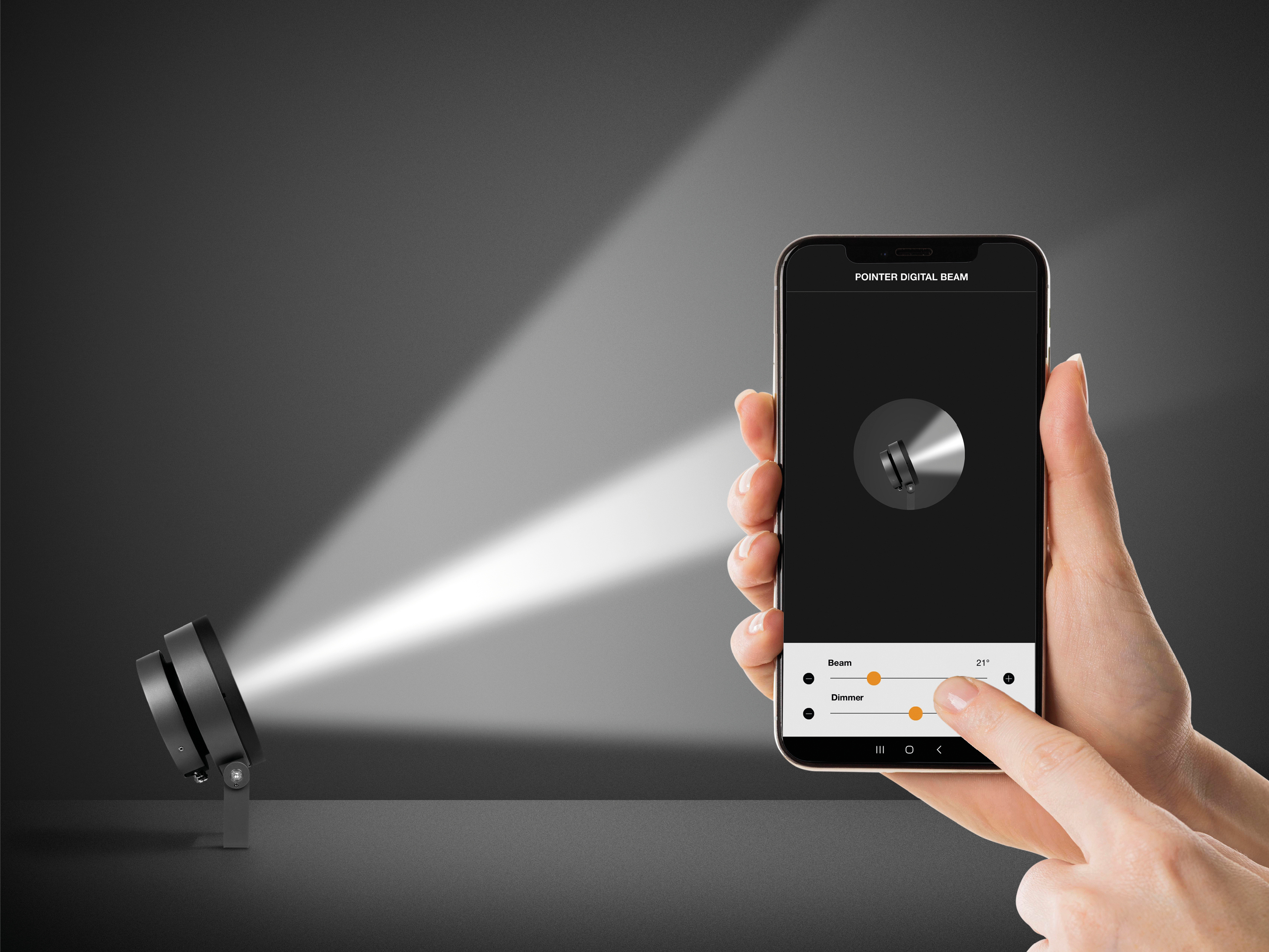
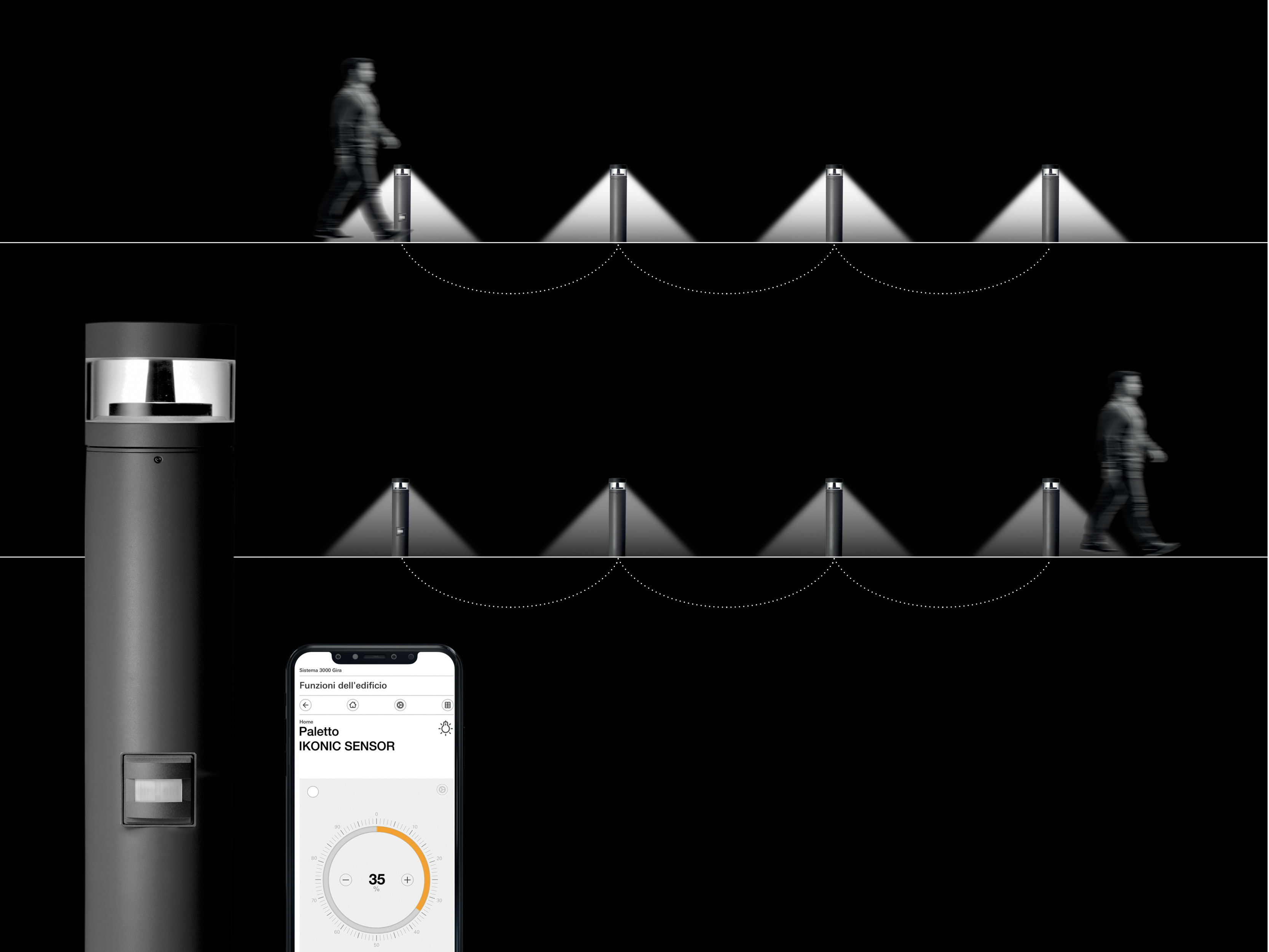
Dimming, the use of sensors and programmed flux reduction are some of the ways in which new technologies allow us to reduce consumption and provide light only when and where it is needed.
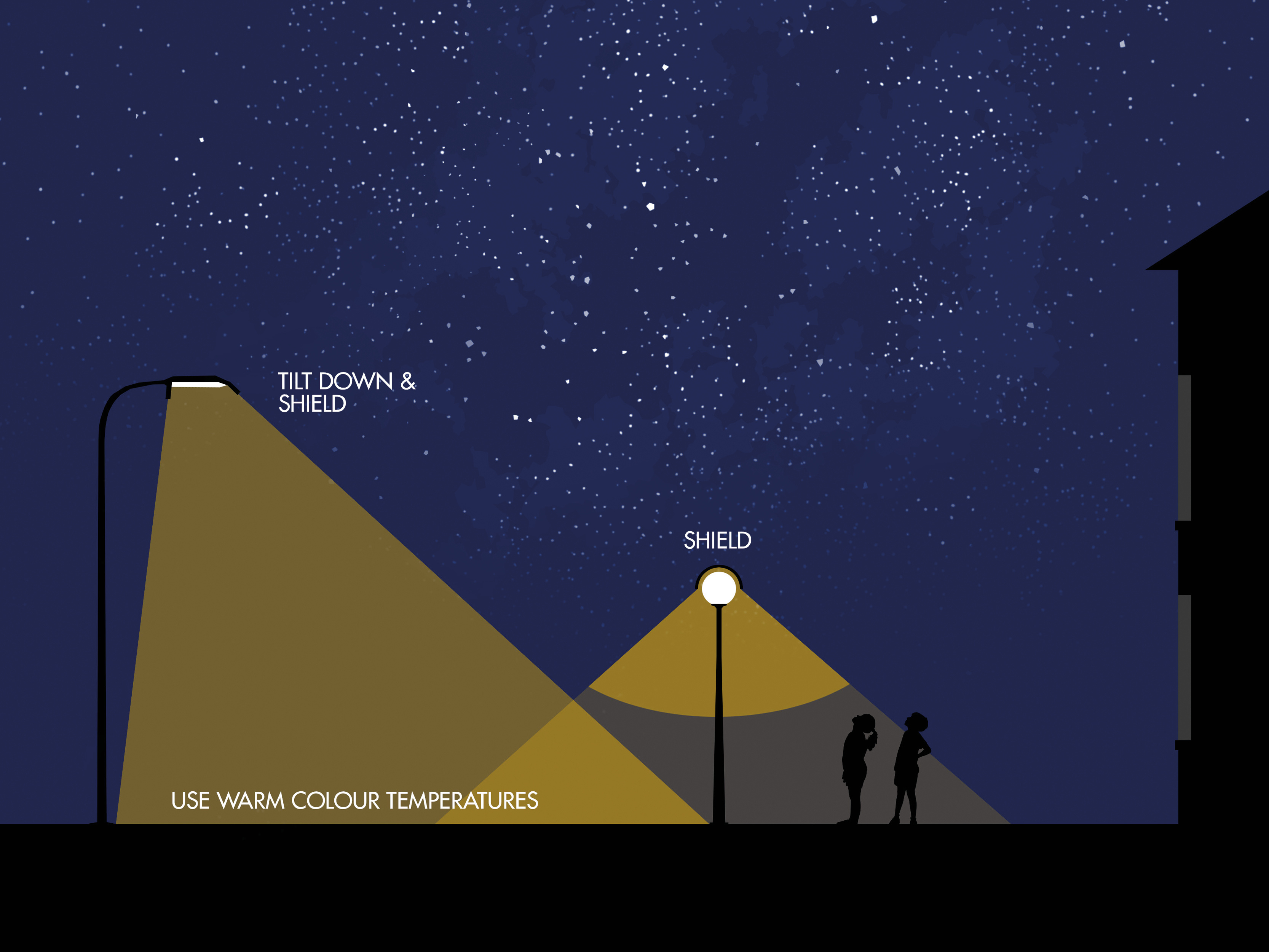
Avoiding light dispersion, especially towards the sky, becomes the focus point of a shared and collective design aimed at reducing light pollution of the night sky.  
The use of comfort optics to avoid visual disturbance and glare and the development of tunable white solutions are the result of a culture rooted in the concept of personal well-being and respect for biological rhythms.  

It is time to start a new journey.

PREVIEW  OF THE CONTENTS


Designing with and for the community

Interview with Kerem Asfuroglu, lighting designer, graphic artist and founder of Dark Source London, UK - Wexford IE
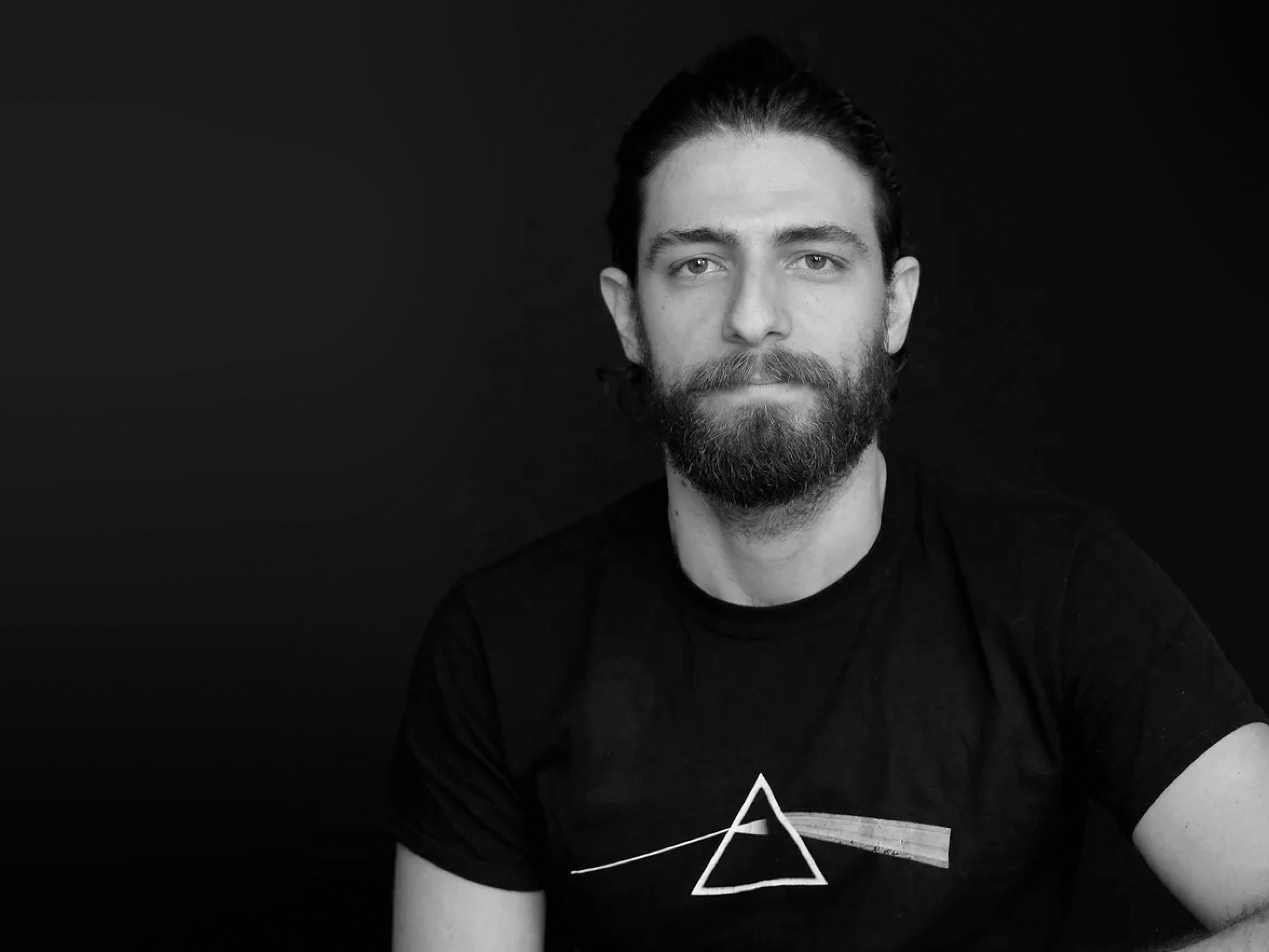
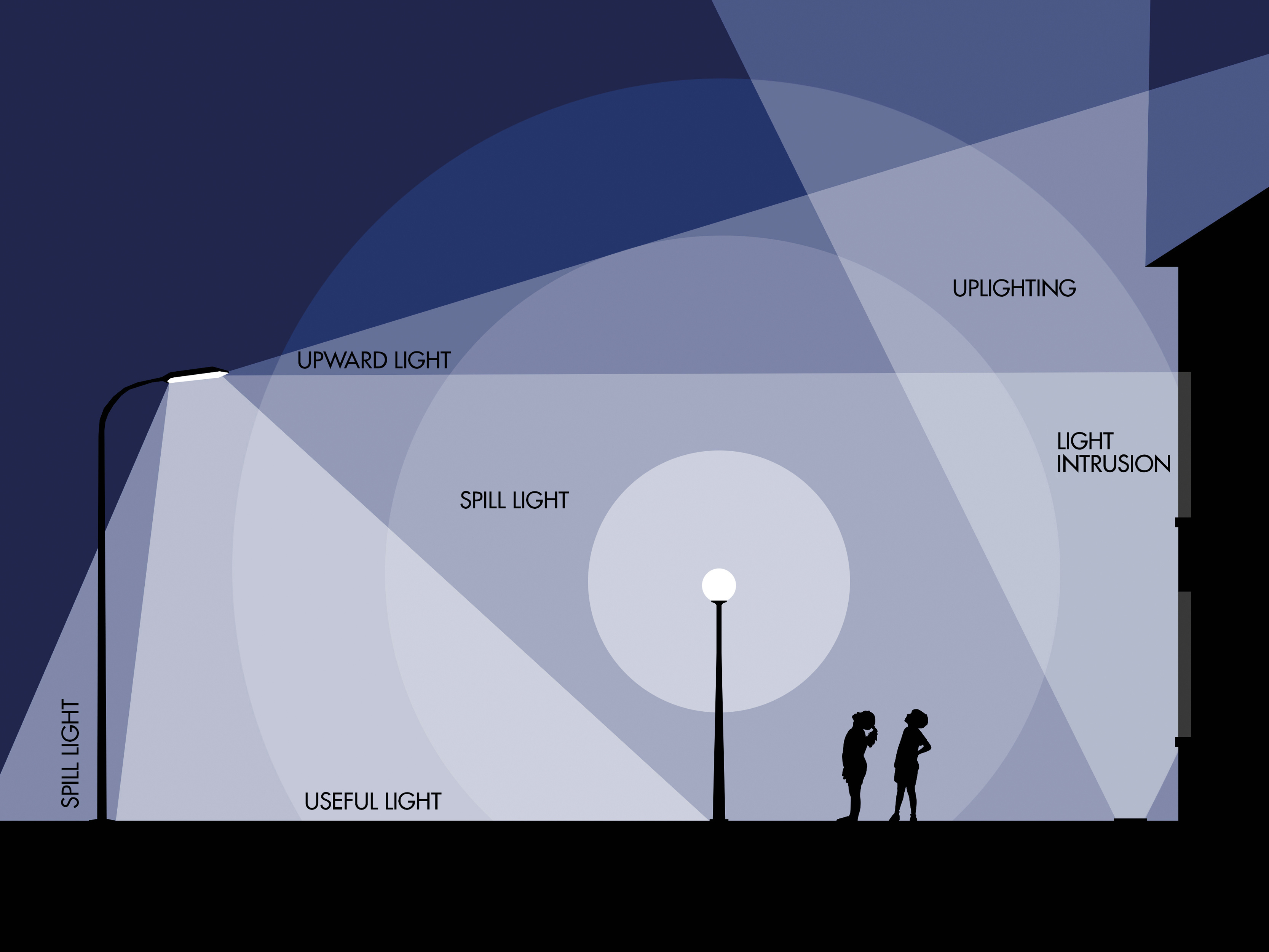
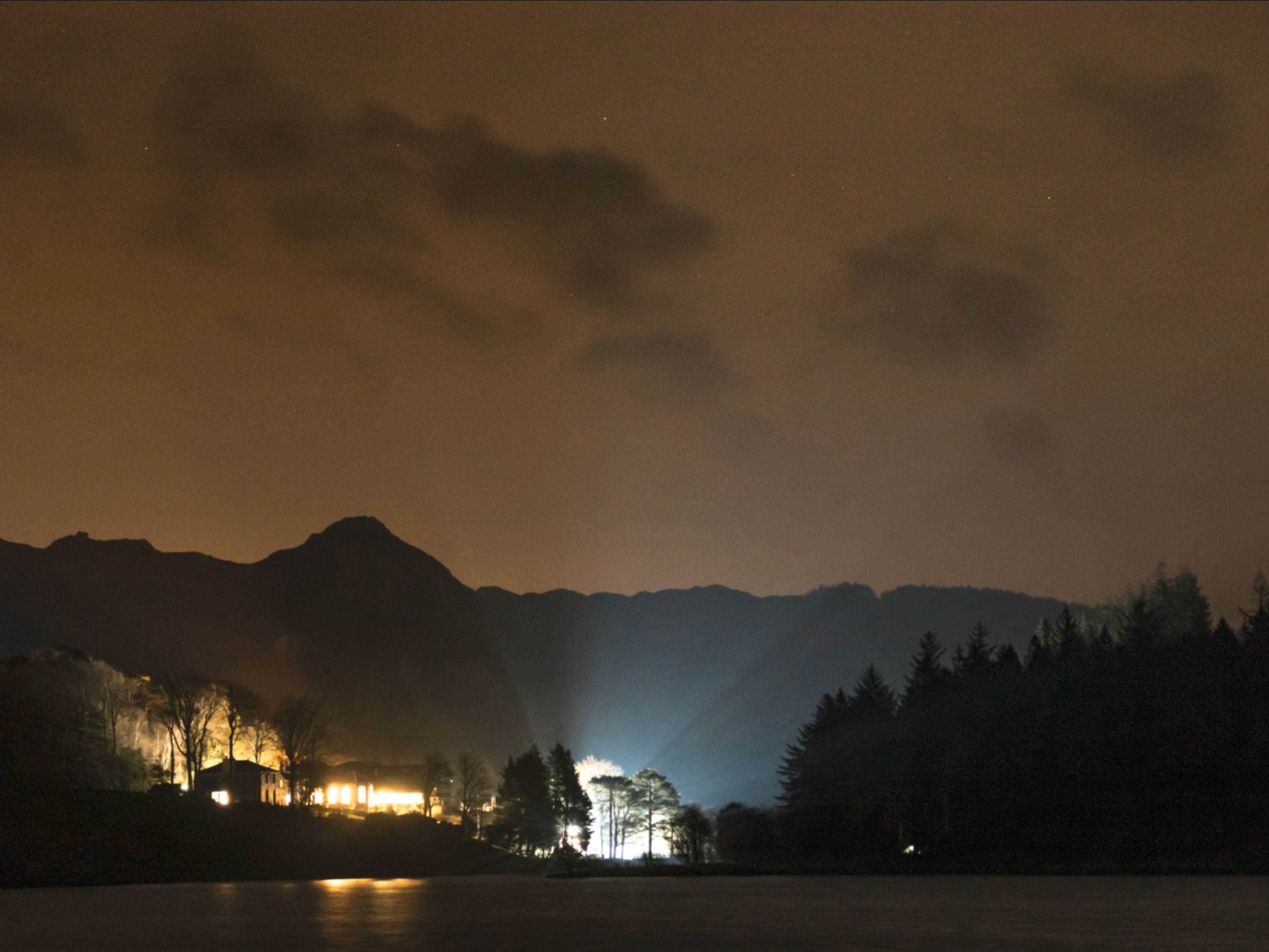
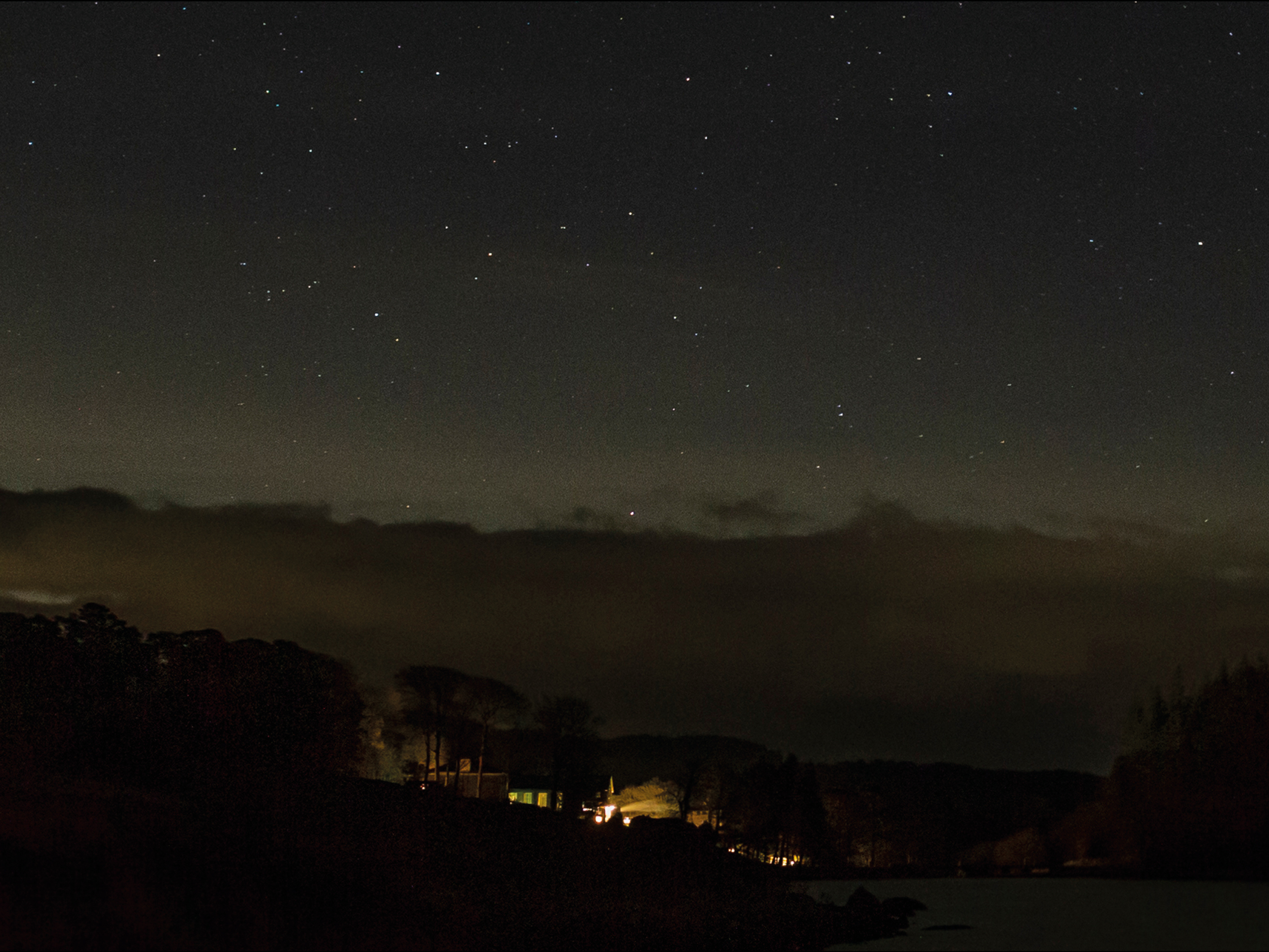
Observing the starry sky is almost impossible in today’s urban areas, large or small. We have slowly turned night into day. We therefore need to look at light design with an eco-systemic and ethical approach, as a social tool to engage communities and reduce our impact on the planet, recovering something important that we have lost: the stars. 

“The idea behind the Dark Skies movement is scratching the paint in order to get back to the original canvas – the natural night." 

Kerem Asfuroglu

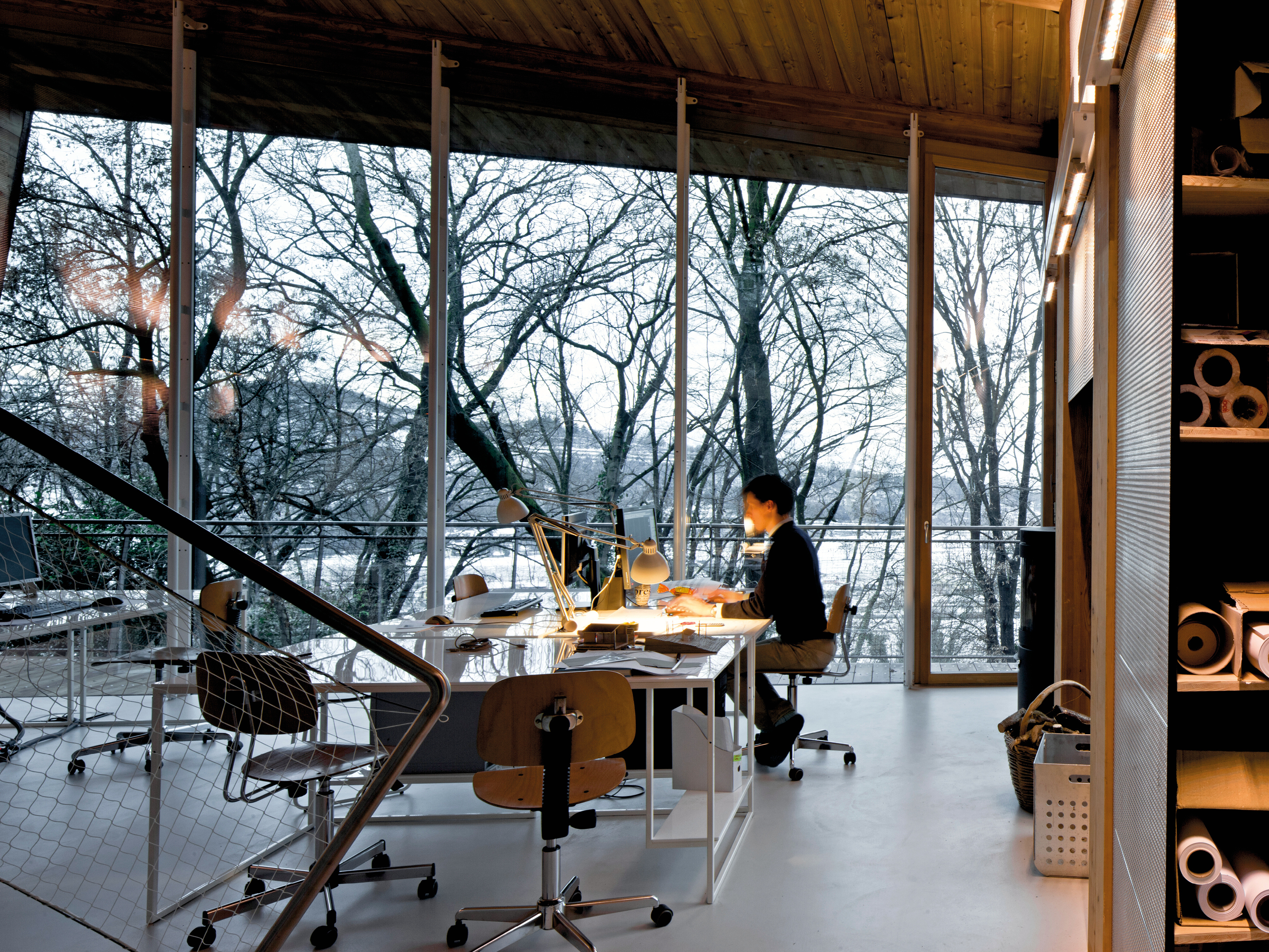
Architecture in symbiosis with man and environment

Interview to the architect Giovanni Traverso, Co-founder traverso-vighy, Vicenza, IT
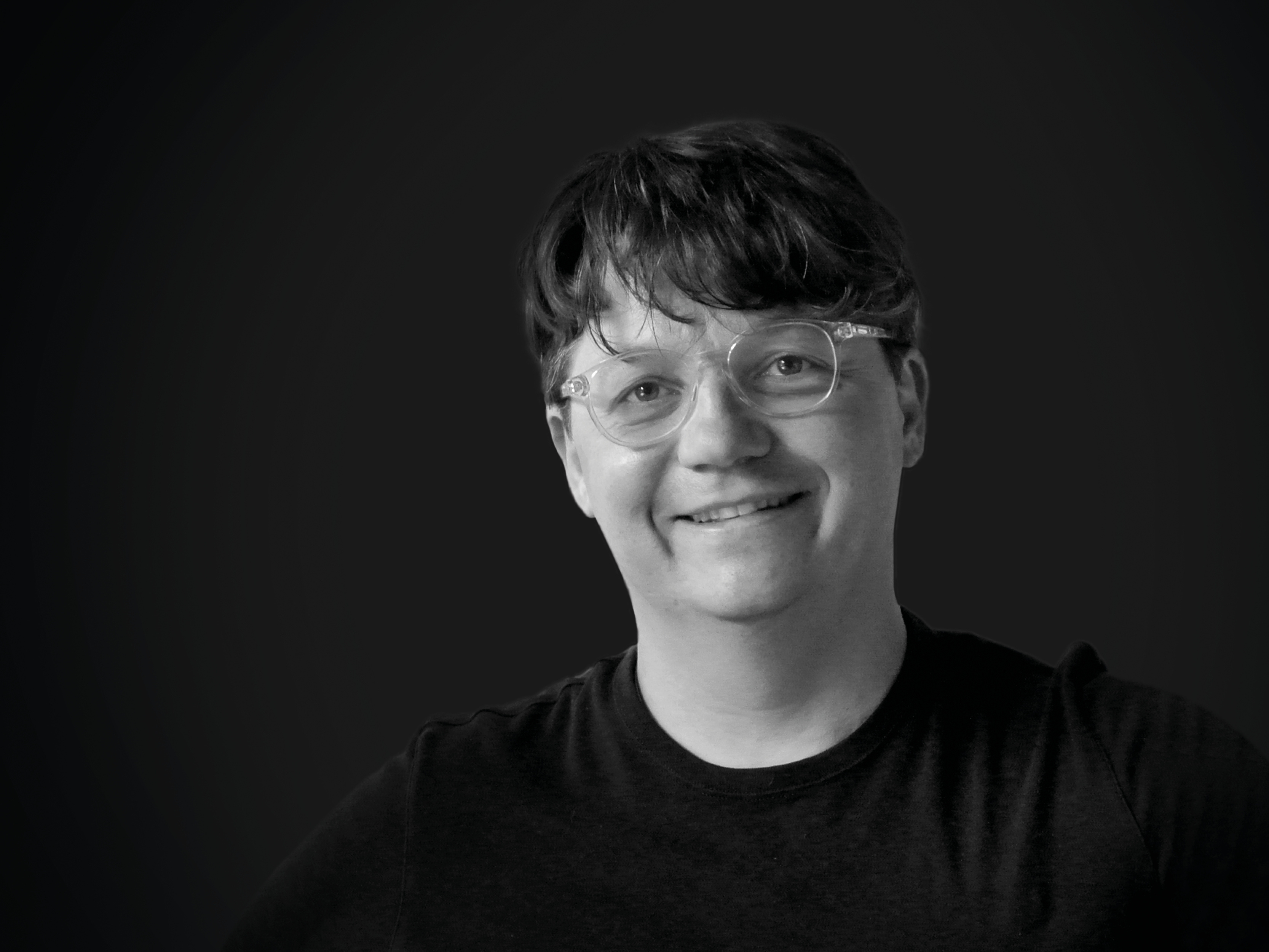
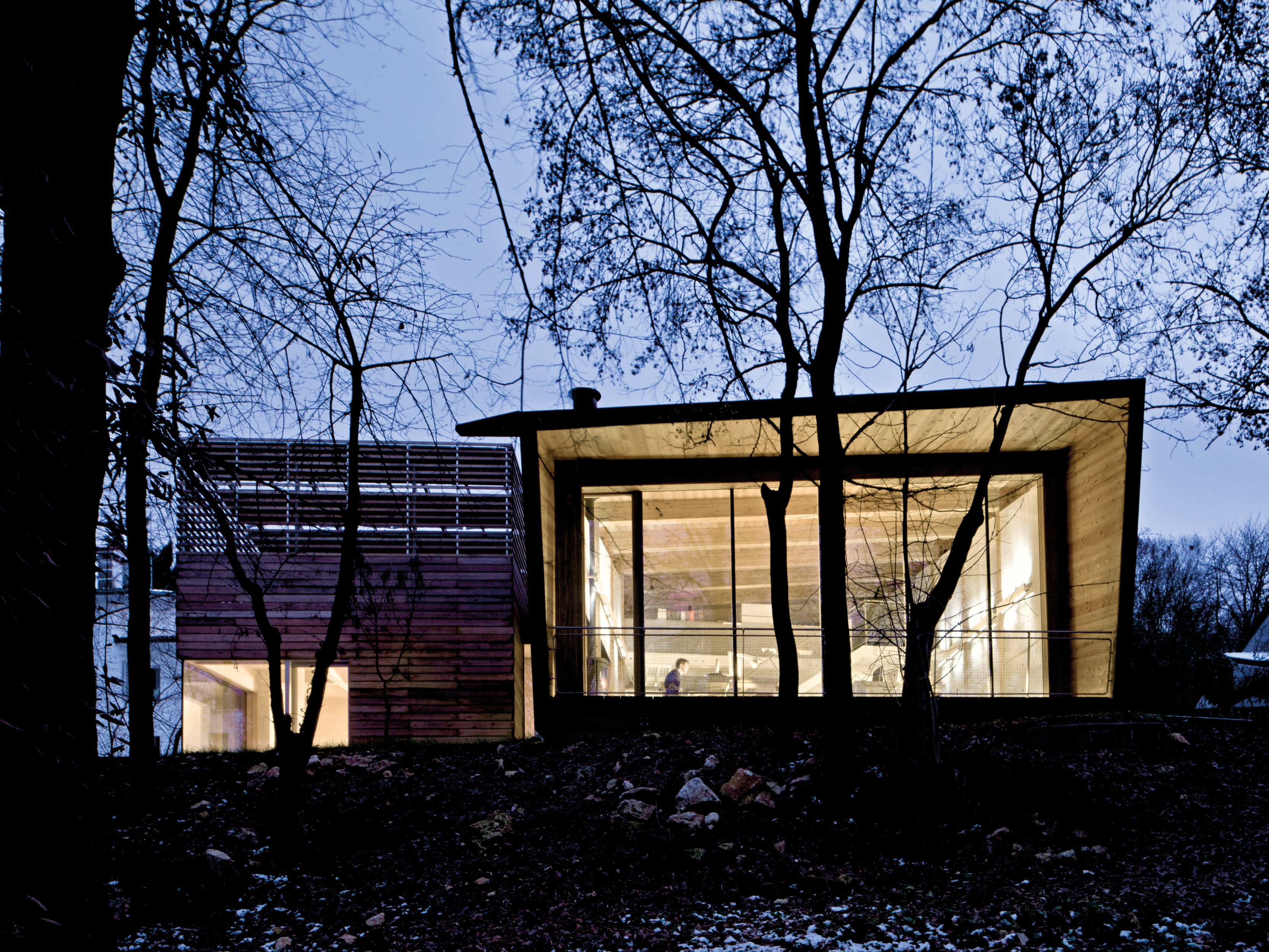
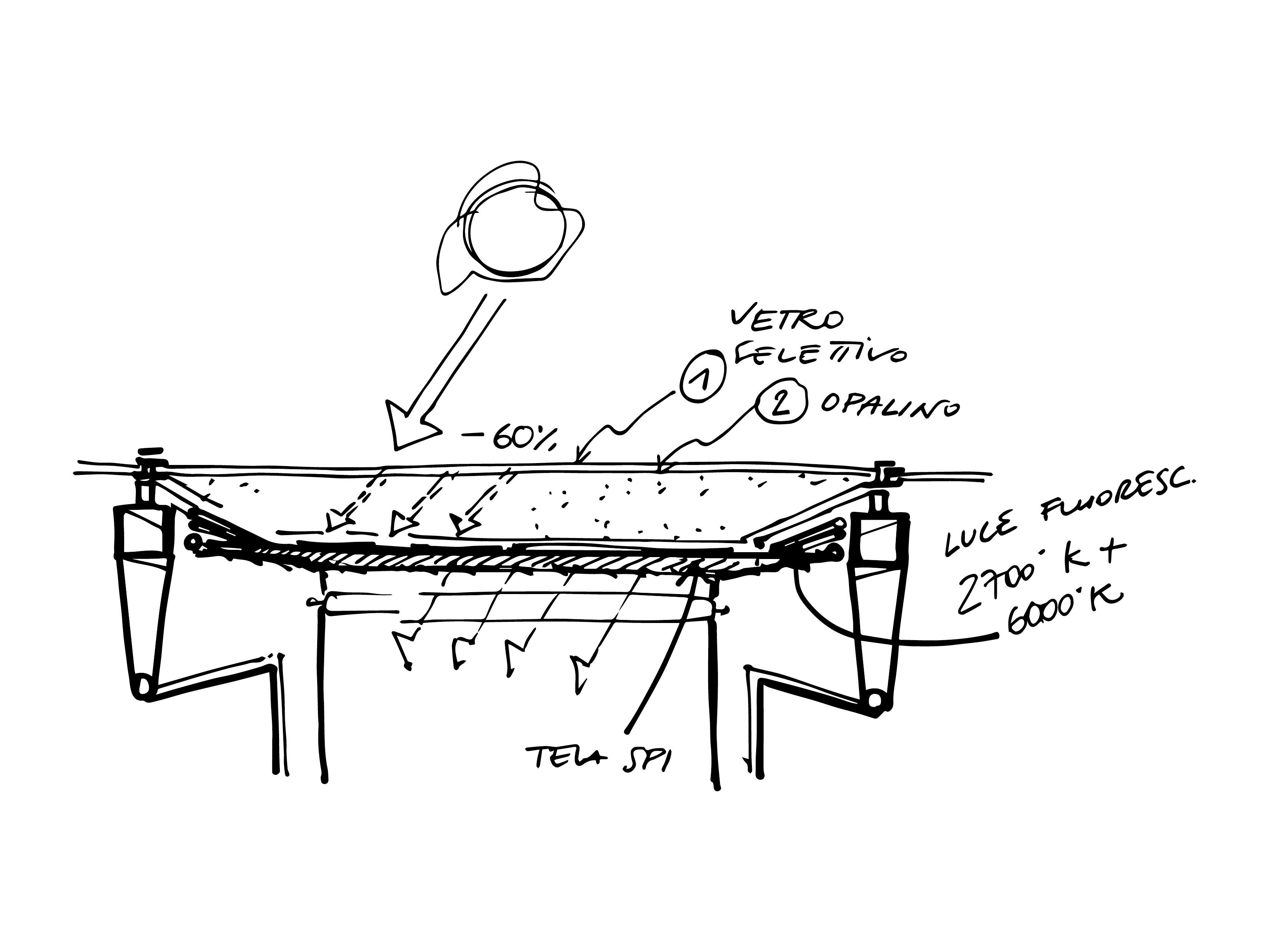
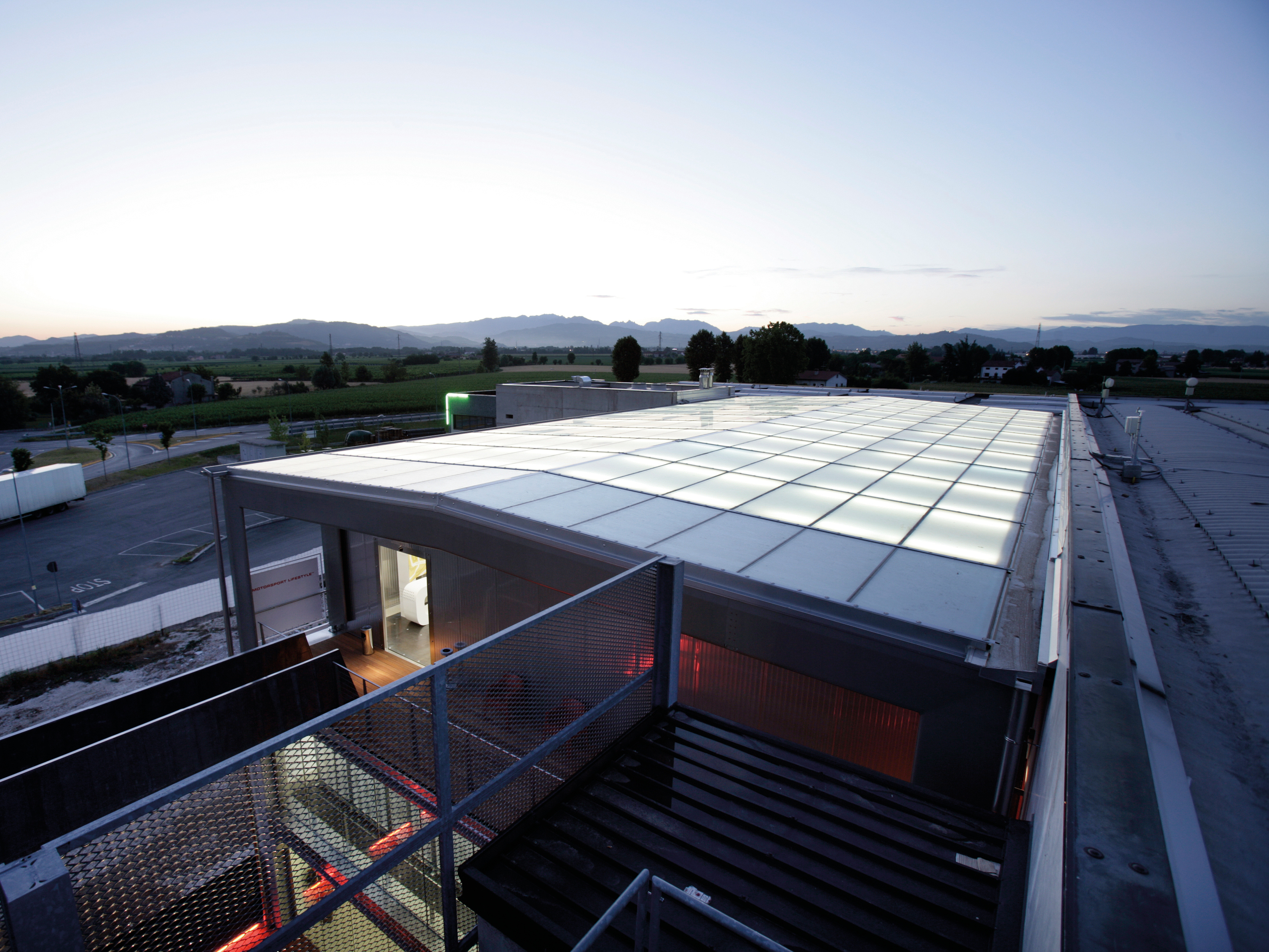
The circadian nature of biological rhythms now becomes a central parameter in the design of circular buildings. Interior and exterior merge into a single ecosystem thanks to the skilful dialogue between natural and artificial light. 

“We often say that a space can be built with light, because without light there is no perception of space. So I think that light is the primary material that we think about and on which we try to order all the other surfaces.”

Arch. Giovanni Traverso

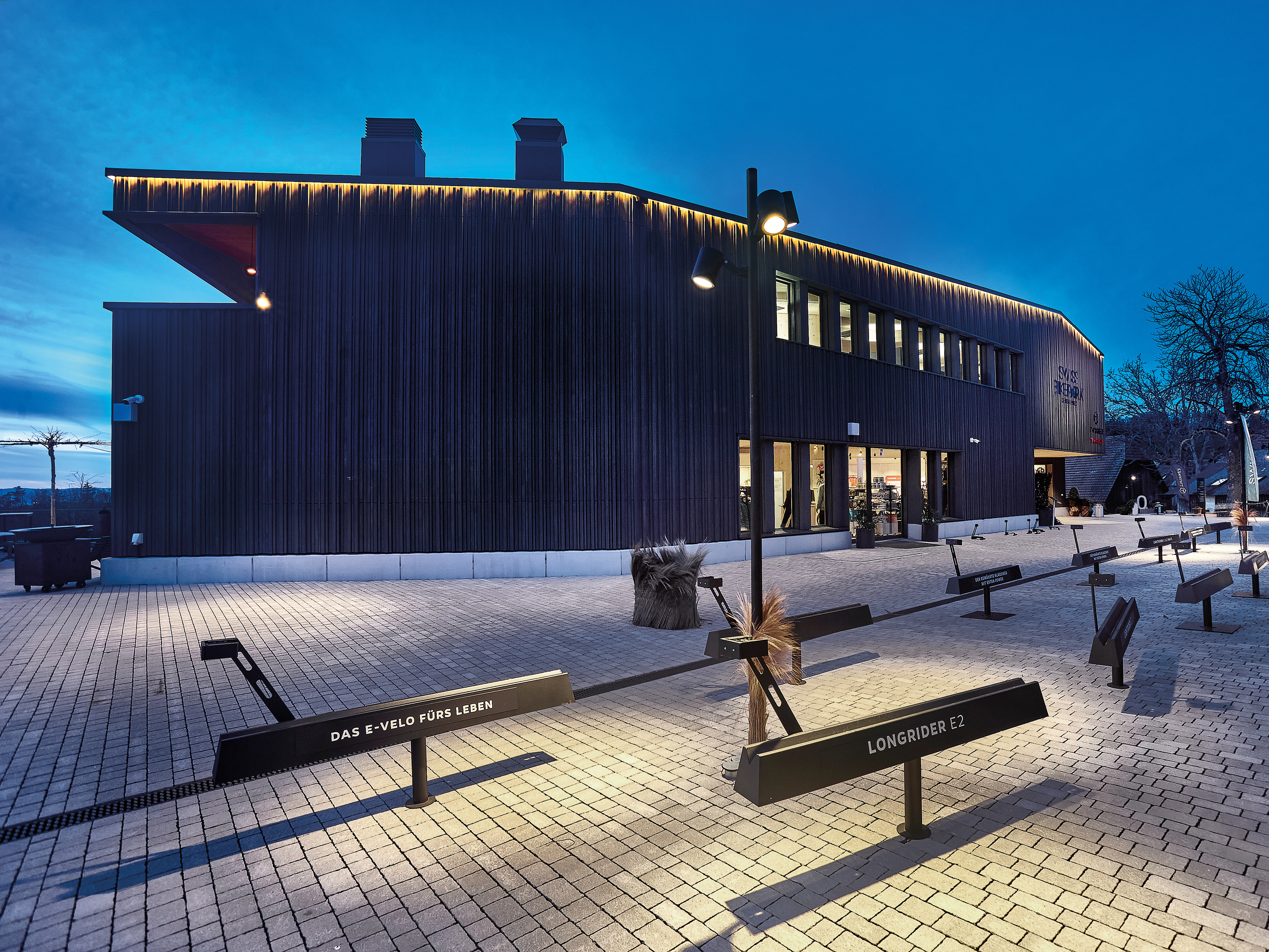
Light and wellbeing for inclusive sport

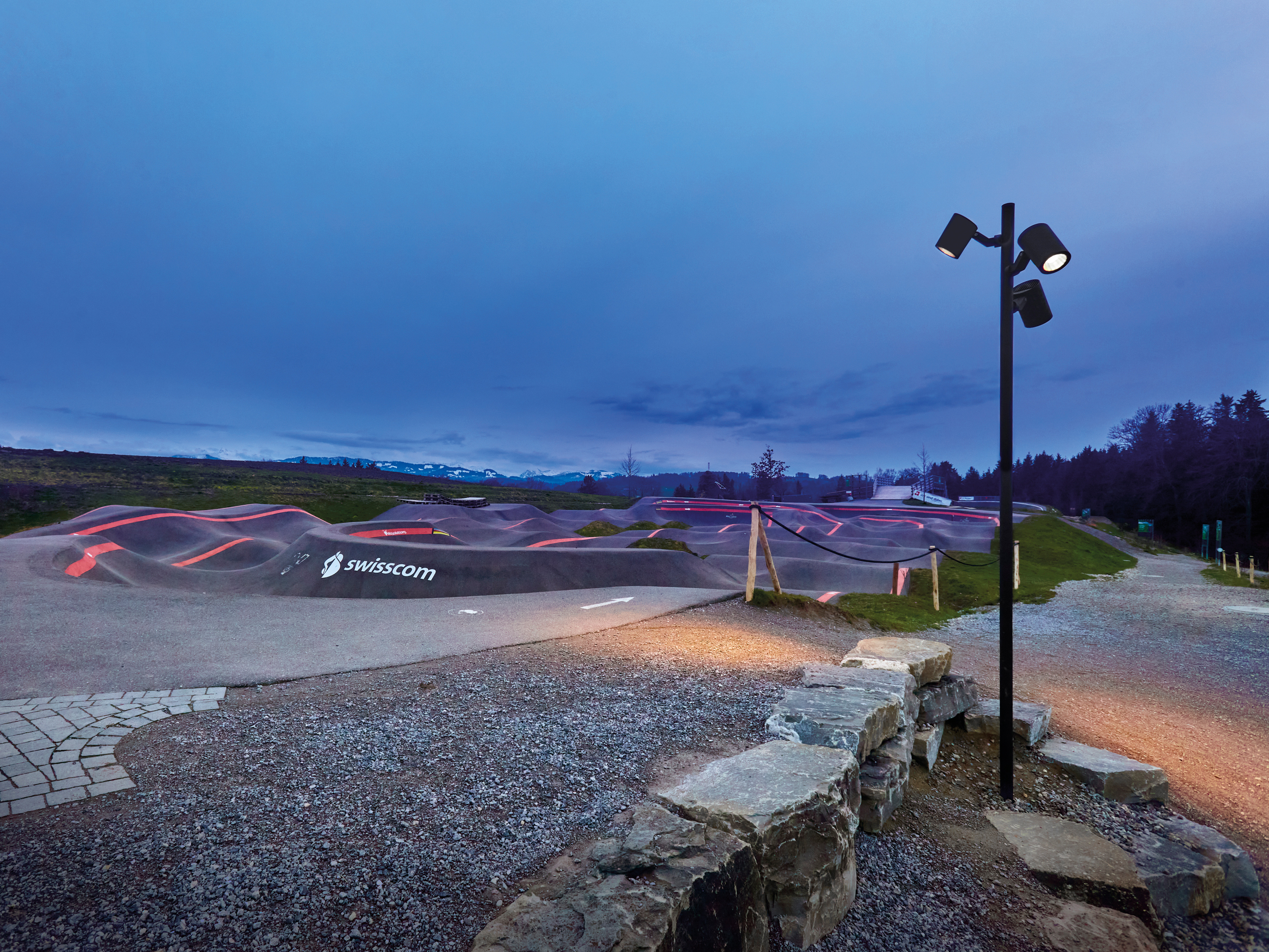
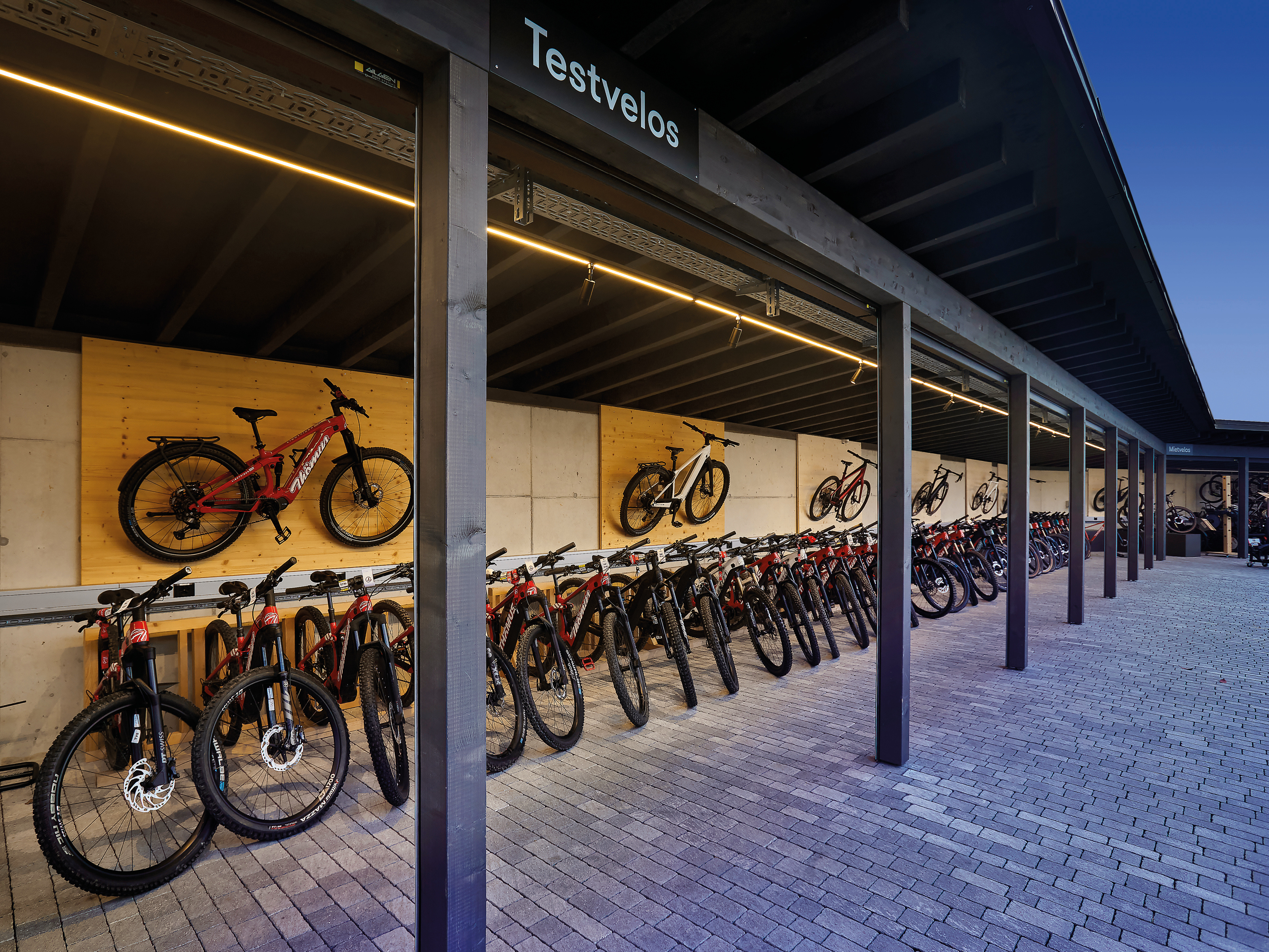
Interview with Sarina Huber, co-executive board partner manager of the Swiss Bike Park and with the team responsible for the lighting project from Regent Lighting Switzerland.   
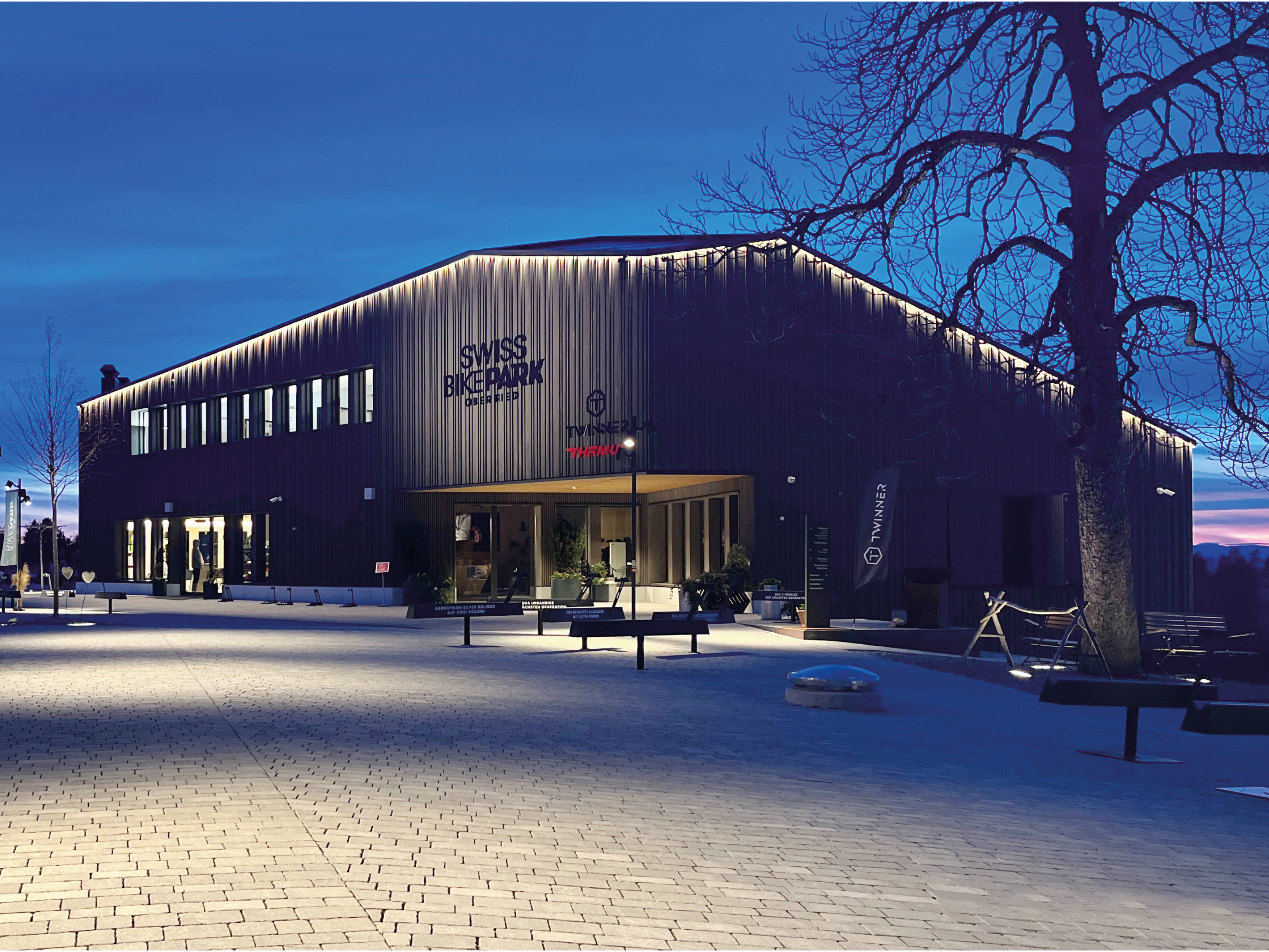
The Swiss Bike Park in Oberried is a unique place; it is a platform for education and experience that aims to promote healthy and safe cycling for the entire population. Sarina Huber, manager of the park, tells us about the soul of this place. The team responsible for the lighting project, describes the main principles behind the choices for targeted, context-sensitive lighting. 

“In the lighting design, we made sure to respect the surroundings by using lights that would not disturb the darkness.”

Lighting design team from Regent Lighting Switzerland

Dialogue between design culture and lighting culture

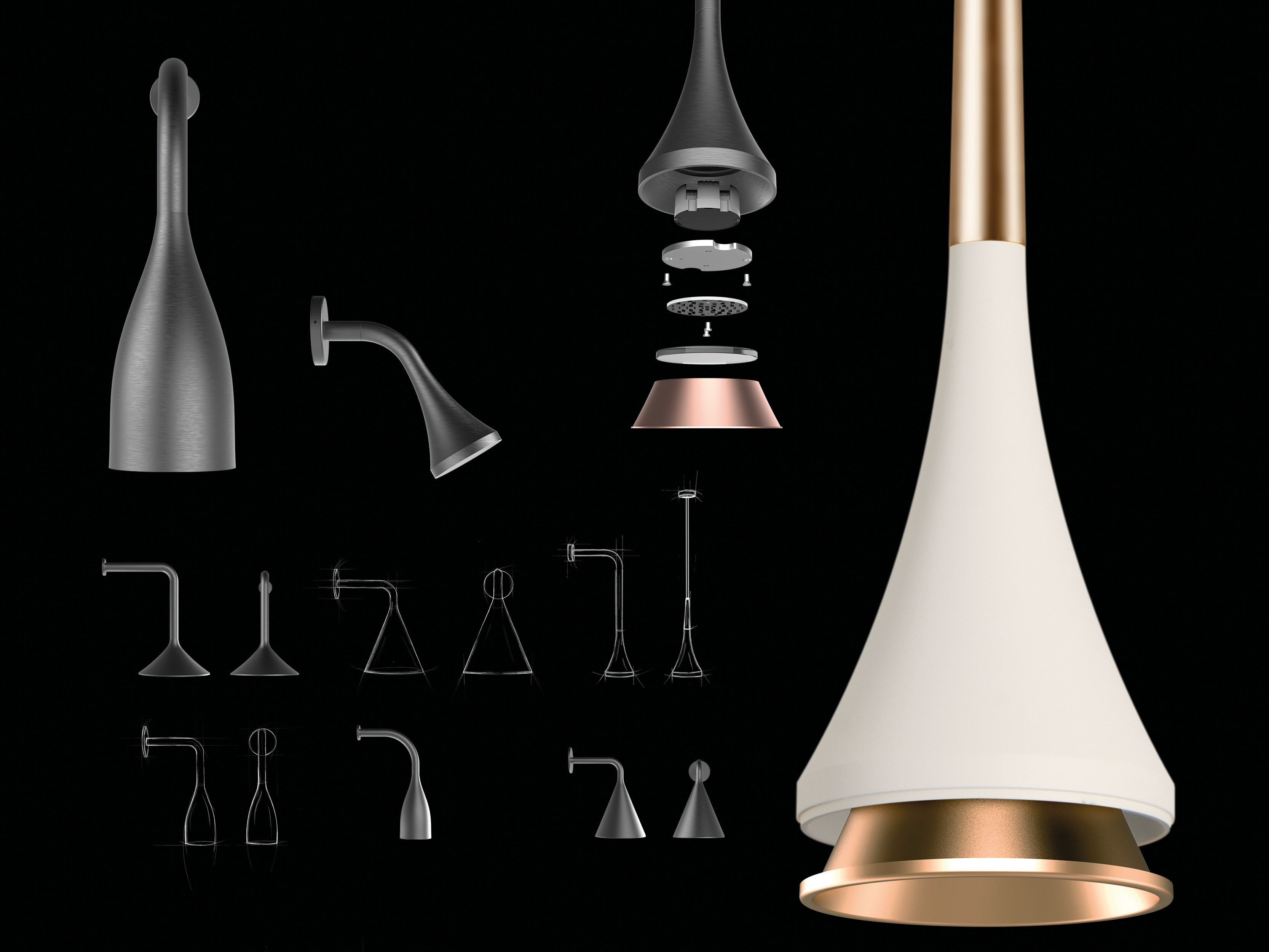
Interview with the Simes R&D team and Simone Rossato, a professional and external collaborator specialising in light digitisation. 
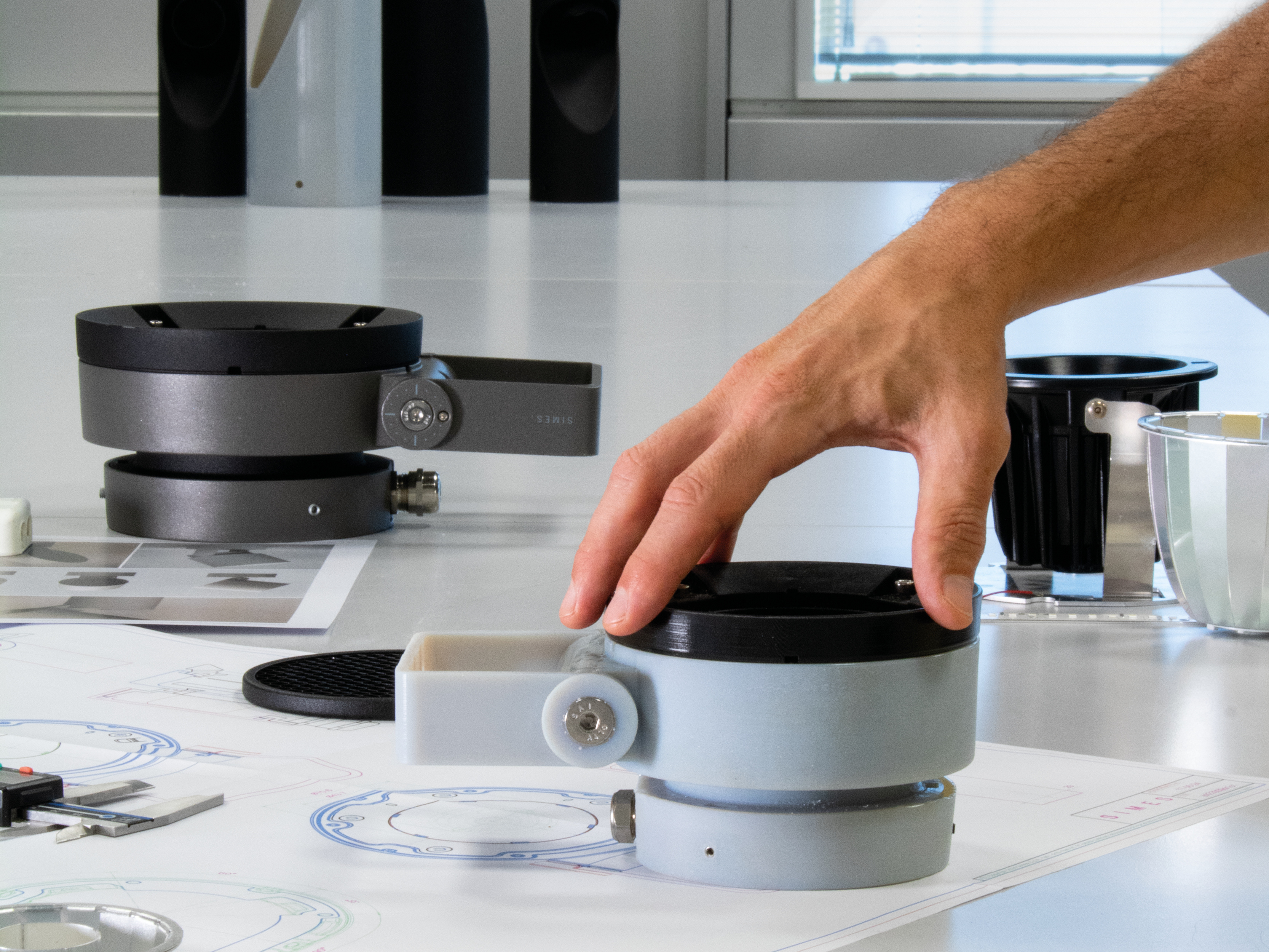
What lies behind a Simes product? A shared language and method where nothing is left to chance and every intuition, component or design is the result of a constant dialogue between past, present and future. Material and immaterial elements combine to describe a unique language that is the Simes alphabet. 

“The revolution we are experiencing today with digitalisation is focused on the functionality of the product and its interaction with people and society, for intelligent energy management.”

Simes Research and Development team

DOWNLOAD THE SIMES MAGAZINE N.02

selezione_01_MAG2_quadrata